
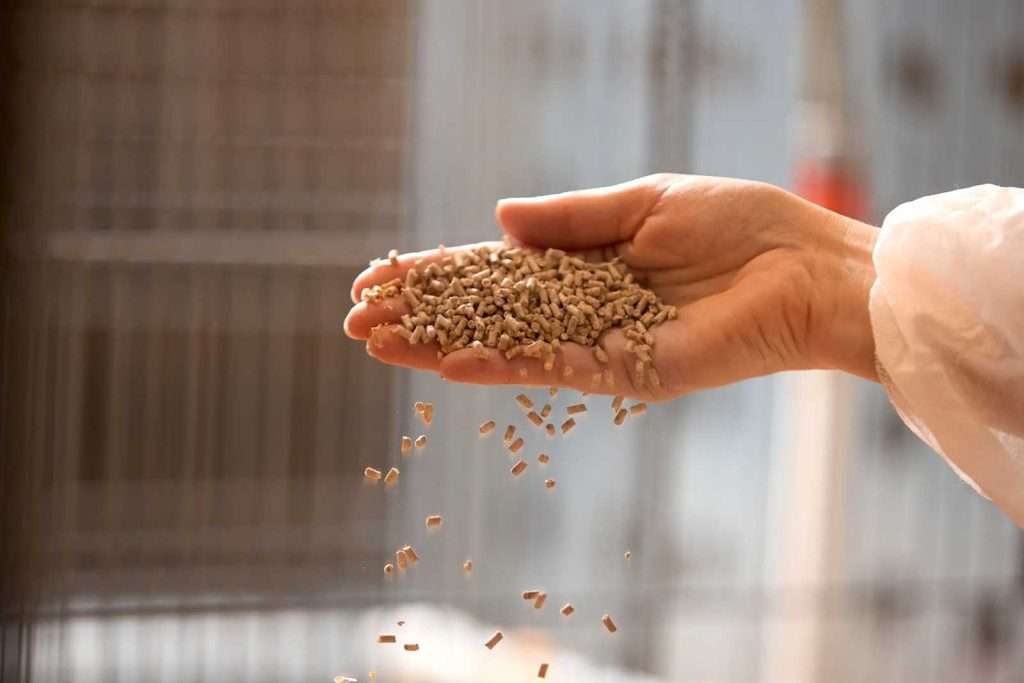
The most important scientific breakthroughs started with a simple shift in perspective. Instead of accepting conventional thinking, innovators looked at familiar challenges in a new way and uncovered opportunities others had missed. Animal nutrition is experiencing a similar shift today.
For decades, the focus has been on what animals consume. But as our understanding of animal health has grown, so has our appreciation for what happens inside the animal. The conversation is no longer just about nutrients itself, but about how nutrition works within to support health, resilience, and performance.
This is changing how we think about micronutrition. What was once often viewed as an optional addition is increasingly being recognized as a foundational part of modern animal nutrition. It is also changing how producers approach performance. Rather than relying on broad, one size, additive products, there is growing interest in more targeted approaches that address the specific needs of different species, production systems, and challenges.
In our Cargill Micronutrition & Health Solutions (MHS) business, this is the lens through which we approach animal nutrition. We go deeper into understanding the nutritional needs of animals and how nutrition, the microbiome, and animal health work together to influence performance. In doing so, we are helping move micronutrition from micro in scale to macro in impact.
- At a glance

- The conversation is no longer just about nutrients itself—it is about how nutrition works within the animal to support health, resilience, and performance.
- Small changes inside the animal can influence outcomes that matter across the production system, improving efficiency, resilience, and productivity.
- The future of animal nutrition is not about adding more products—it is about adding more purpose.
Species-Specific Precision Matters
Different species face different biological and production challenges. A dairy cow, broiler chicken, shrimp, and sow do not respond to nutrition in the same way. Their needs, stressors, and production goals are different. Effective micronutrition strategies require species-specific understanding and precise application to each animal’s unique needs.
That is why Cargill MHS applies targeted expertise to deliver the right solution, at the right time, in the right amount. The goal is simple: help animals perform more consistently in real-world conditions.
The Cost of Outdated Assumptions
For years, micronutrition has often been viewed through the lens of feed additives. Too often, it is treated as optional or limited in scope, when in reality it is a science-based approach to understanding how nutrition influences animal health, resilience, and performance. This broader understanding creates opportunities to move beyond generic solutions and develop more targeted strategies that help animals perform more consistently under real-world conditions.
Another common assumption is that micro means small impact. In reality, small changes inside the animal can influence outcomes that matter across the production system. When animals cope better with everyday challenges, efficiency, resilience, and productivity can all improve.
That is the challenge Cargill MHS is built to address: moving beyond generic thinking and outdated conventions to unlock more consistent results.
Nutrition, Microbiome, and Health Work Together
At Cargill MHS, we focus on the interaction between nutrition, the microbiome, and animal health. These systems do not operate independently. Nutrition influences the microbiome. The microbiome supports health and immunity. Together, they help shape how animals perform.
Understanding those connections helps create more targeted micronutrition strategies that support nutrient utilization, resilience, and consistent performance under real-world conditions. Animals that cope more effectively with nutritional, environmental, and management challenges are often better positioned to remain healthy and productive throughout the production cycle.
This is where micronutrition creates macro impact. Small interventions at the micro level can help support animal well-being, consistency, and unlock outcomes that matter across the production system.
The Future of Animal Nutrition
The future of animal nutrition is not about just adding more products. It is about adding more purpose. Discover how micronutrition can create macro impact across animal health, performance, and sustainability for your operation.